

Kawaii Fashion Terms Explained: The Complete Guide to Cute Style Language
Kawaii Fashion Terms Explained is basically the cheat code for enjoying cute fashion online without constantly pausing to Google every other word. If your FYP is serving Fairy Kei, Decora hair clips, “coquette vibes,” and someone saying “this JSK is perfect for my coord,” you are not behind. You are just new to the vocabulary.
Here’s the fun part: these terms are not just labels. They’re tiny worlds with their own history, styling rules, and mood. Some are rooted in Japanese street fashion (Harajuku), some are internet-born (Soft Girl), and some are more emotional and expressive (Yami Kawaii). The point is not to pick one forever. The point is to understand the language so you can explore what feels like you.
This guide breaks down the words you see most, what they mean, how they’re used today, and how to spot the difference between a real substyle and a TikTok shortcut term. It’s like a glossary, but with context, culture, and practical “how would I actually wear this?” advice.
Kawaii Fashion Terms Explained: What Kawaii Really Means
“Kawaii” is a Japanese word that roughly translates to “cute,” but it’s more like a whole vibe than a single adjective. Kawaii can mean soft, sweet, innocent, approachable, or even just emotionally comforting. In fashion, kawaii is not only about looking cute. It’s about choosing joy, softness, and playfulness on purpose.
A lot of people assume kawaii equals childish. That’s not how it works in practice. Kawaii fashion is worn by adults all the time, and it can be polished, edgy, romantic, nostalgic, or weird in an artsy way. Cute does not cancel out confidence. Cute can be power.
The bigger idea: kawaii is a style language built around emotion. Some people dress kawaii to feel cozy. Some dress kawaii to express creativity. Some dress kawaii to reclaim softness when life feels heavy. That’s why the substyles range from pastel dreamland to dark medical motifs.
Explore the vibe by keyword: Search kawaii fashion and Search pastelcore.
Harajuku and J-Fashion Vocabulary
Harajuku
Harajuku is a district in Tokyo that became famous for street fashion culture. When people say “Harajuku style,” they usually mean bold self-expression, DIY energy, and mixing influences freely. It’s not one aesthetic. It’s a fashion ecosystem where multiple substyles live side-by-side.
In Harajuku culture, creativity matters more than blending in. You can layer cute accessories over streetwear, pair vintage with anime motifs, or combine sweet and edgy pieces in one look. Kawaii fashion thrives here because it rewards personality.
Want a browse-by-vibe starting point? Search Harajuku style.
J-Fashion
“J-Fashion” is shorthand for Japanese fashion subcultures and street fashion styles. It’s a broad category that includes Lolita, Decora, Visual Kei, Mori, Gyaru, and more. Kawaii overlaps with a lot of J-Fashion styles, but not all J-Fashion is kawaii.
Coord
“Coord” means “coordinate,” aka a full outfit. If someone posts “today’s coord,” they mean the entire look, including accessories, shoes, hairstyle, and sometimes makeup. This word is used a lot in Lolita communities, but it shows up across kawaii spaces too.
JK
“JK” refers to Japanese school uniform inspired fashion. You’ll see it in phrases like “JK skirt” or “JK uniform.” In kawaii styling, JK pieces often mean pleated skirts, sailor collars, ties, and preppy silhouettes that can feel cute, clean, and easy to wear.
Easy entry points: Search JK skirt and Search pleated skirt.
Classic Kawaii Substyles
Fairy Kei
Fairy Kei is pastel nostalgia. Think soft pink, lavender, mint, and baby blue, mixed with playful accessories that feel like an 80s toy box or magical girl anime. The textures tend to be cozy: knits, sweaters, soft skirts, leg warmers, and layered socks.
The easiest way to spot Fairy Kei is the color harmony. It’s usually gentle, airy pastels with cute motifs like stars, hearts, or candy vibes. It’s dreamy, not sharp.
Explore color-first styling: Search Fairy Kei.
Decora
Decora is maximalist kawaii. The core idea is playful layering of accessories. Lots of hair clips, bracelets, necklaces, charms, and bright pops of color. If Fairy Kei is soft and dreamy, Decora is loud and joyful.
Decora is not about looking “clean” or minimal. It’s about expressing excitement visually. People often build a Decora look around a few key color families, then stack accessories until it feels like a celebration.
Accessory moodboards start here: Search hair clips.
Pop Kei
Pop Kei is bright, graphic, and a little chaotic in a fun way. It often includes bold prints, cartoon motifs, color blocking, and oversized shapes. It can overlap with anime streetwear and idol-inspired styling.
Yume Kawaii
“Yume” means dream. Yume Kawaii is dream-cute, often pastel and airy, but with a more emotional, surreal undertone. You might see cloud motifs, angel vibes, soft gradients, and references to bittersweet feelings.
Yume Kawaii can lean into cute sadness or dreamy escapism, depending on how it’s styled. It’s a softer bridge between classic pastel kawaii and more emotional substyles.
For dreamy palettes: Search Yume Kawaii.
Angelcore
Angelcore is ethereal kawaii. Whites, creams, pale pastels, and airy textures make it feel light and floaty. Angel motifs, wings, sheer layers, and soft glowy accessories are common. The goal is serene, gentle, and a little celestial.
Dollcore
Dollcore is the “living doll” vibe. It often includes structured silhouettes, cute collars, bows, puff sleeves, and outfits that look intentionally styled. Dollcore can be pastel, neutral, or even dark, but the through-line is that carefully curated, doll-like silhouette.
Mori Girl
Mori Girl is forest cozy. It’s softer and more natural than many kawaii styles, often featuring layered fabrics, earthy tones, warm knits, and vintage-inspired silhouettes. It can still be cute, but in a quiet, storybook way.
Kogal (Kogyaru)
Kogal is school-uniform based and linked to gyaru culture. Think short skirts, loose socks, and bold styling choices that look confident and a little rebellious. In kawaii spaces, Kogal elements sometimes appear mixed with pastel or idol-inspired accessories.
Lolita and Coordination Terms
Lolita fashion is its own world with specific silhouettes and community norms, but a lot of Lolita vocabulary shows up in kawaii spaces because the silhouettes overlap. Even if you are not dressing full Lolita, these terms help you understand what people are talking about.
Lolita (the fashion)
Lolita fashion is defined by a modest, structured silhouette with a full skirt, often supported by a petticoat. It is inspired by historical fashion, cute motifs, and detailed craftsmanship. It is not a cosplay category, even though it can look theatrical.
Sweet Lolita
Sweet Lolita leans heavily into cute motifs: pastel colors, dessert prints, teddy bears, strawberries, and lots of lace and bows. It is often the most “kawaii-coded” branch of Lolita.
Classic Lolita
Classic Lolita uses more muted tones and elegant prints. It can still be cute, but it feels more refined and vintage-inspired.
Gothic Lolita
Gothic Lolita uses darker palettes, dramatic lace, and romantic silhouettes. It can overlap visually with dark kawaii, but it is not the same as Yami Kawaii. Gothic Lolita is more romantic gothic elegance than emotional symbolism.
JSK (Jumper Skirt)
A JSK is a sleeveless dress designed to be worn over a blouse. It’s one of the most common foundation pieces in Lolita fashion, and it’s loved because it layers easily.
OP (One Piece)
An OP is a one-piece dress with sleeves. It’s usually worn without a blouse underneath, so styling focuses more on accessories, legwear, and headpieces.
Blouse
In Lolita context, “blouse” often means a cute, detailed top that sits under a JSK. Think lace trim, puff sleeves, and sweet collars. Outside Lolita, you might see this called a “puff sleeve top” or “lace blouse.”
Headbow, KC, and Hair Accessories
A “headbow” is what it sounds like: a statement bow worn on the head. “KC” stands for “katyusha,” a headband style commonly used in Lolita. Even if you do not use these terms daily, you’ll see them in coords and styling breakdowns a lot.
If you want the romantic side of kawaii: Search princesscore and Search lace.
Dark, Emotional, and Alternative Kawaii
Dark kawaii is where people get confused fast, because it looks cute at first glance, then you notice the themes are heavier. This is not “trying to be edgy for attention.” For many people, these styles are about expressing emotions that are usually hidden.
Yami Kawaii
Yami Kawaii roughly translates to “sick cute.” It mixes pastel visuals with themes of illness, sadness, and mental health. You’ll often see medical motifs (bandages, pills, crosses), ironic text, or symbols that hint at vulnerability.
The important detail: Yami Kawaii is not simply goth with pink. It’s a specific emotional aesthetic that uses cute visuals to make space for harder feelings.
Menhera
Menhera overlaps with Yami Kawaii but focuses more on the mental health community context and the idea of being emotionally honest. In fashion, it often shows up as oversized silhouettes, layered accessories, and motifs that communicate vulnerability.
Gurokawa
Gurokawa blends “guro” (grotesque) and kawaii. It pairs cute silhouettes with unsettling or horror-inspired elements. This style is more niche and often appears in editorial looks, cosplay, or art spaces.
Yamikuro
Yamikuro is a darker cousin of kawaii that leans into black palettes and melancholic mood while still using cute motifs like bows, hearts, or plush elements. If Soft Girl is “gentle sunshine,” yamikuro is “soft midnight.”
If your vibe is cute but moody: Search soft goth.
Modern Internet Aesthetics (Soft Girl, Coquette, Plushcore)
Some of the biggest kawaii-adjacent terms right now are internet aesthetics. They spread fast because they’re easy to recognize, easy to replicate, and super camera-friendly. The downside is that people sometimes use these words as catch-all labels. Here’s what they actually mean when used thoughtfully.
Soft Girl
Soft Girl is comfort-coded cute. Think pastel cardigans, gentle makeup (blush is basically the star), simple silhouettes, and sweet motifs like hearts and bows. It’s approachable and wearable, which is why it became huge on TikTok.
Soft Girl is often the gateway aesthetic because you can build it with basics: a cute tee, a pleated skirt, cozy layers, and a few accessories. It can lean preppy, cottagey, or streetwear depending on what you pair it with.
Soft basics and cozy layers: Search Soft Girl.
Coquette
Coquette is romantic and delicate. It leans into lace, ribbons, pearls, soft neutrals, and ballet-inspired details. The silhouette often feels more composed than Soft Girl. It’s sweetness with intention.
People associate coquette with bows, rosettes, and feminine styling details that photograph well. It can overlap with balletcore and classic Lolita-inspired romance, but it’s often styled more casually for everyday wear.
Romantic textures: Search Coquette.
Plushcore
Plushcore is the wearable-hug aesthetic. Fuzzy knits, oversized hoodies, soft fleece, and cozy textures are the whole point. This style is less about silhouettes and more about how the outfit feels. Cozy first, cute always.
Cozy mood: Search hoodies.
Cottagecore (kawaii-adjacent)
Cottagecore is not strictly kawaii, but it overlaps a lot with soft, romantic, and pastel substyles. Think gentle florals, puff sleeves, delicate textures, and picnic-day energy. If your kawaii vibe is “soft storybook,” you might naturally drift into cottagecore silhouettes.
Schoolcore and Preppy Kawaii
Schoolcore is the “cute academic” lane: pleated skirts, collars, stripes, and structured basics. It overlaps with JK-inspired fashion, but it can also lean more Western preppy. It’s great if you want kawaii that feels clean and everyday.
Preppy cute: Search preppy.
How to Use These Terms Without Feeling Cringe
If you feel awkward saying these words out loud at first, that’s normal. Every community has shorthand. The goal is not to sound “perfect,” it’s to communicate your vibe and find inspiration. Here are a few simple ways to use kawaii terms without overthinking it.
- Use terms as mood descriptors, not rigid labels. You can say “Fairy Kei colors” without claiming you are Fairy Kei forever.
- Start with one element. A “coquette bow detail” is an easy add-on even if your outfit is mostly casual.
- Remember that most looks are hybrids. Soft Girl silhouette with Decora accessories is a real thing. So is pastel yamikuro.
- Let the silhouette do the talking. A pleated skirt plus a cozy knit reads kawaii fast, even with neutral colors.
- Pick your anchor. Choose one “main character” item (skirt, hoodie, cardigan), then keep the rest supportive.
A helpful mindset: these words are navigation tools. They help you search, browse, and explain. They are not a test you can fail.
Quick Comparison Table: Spot the Differences Fast
| Term | Main Mood | Color Story | Signature Details | Best For |
|---|---|---|---|---|
| Fairy Kei | Dreamy nostalgia | Pastel rainbow | Soft knits, toy-like accessories | Gentle, sweet outfits |
| Decora | Joyful maximalism | Bright, mixed colors | Layered clips, bracelets, charms | Bold self-expression |
| Soft Girl | Cozy, approachable | Pastels and soft neutrals | Cardigans, pleats, blush makeup | Everyday kawaii |
| Coquette | Romantic, delicate | Cream, blush, light pink | Lace, ribbons, pearls | Dressy-cute styling |
| Yami Kawaii | Soft but heavy | Pastel with dark accents | Medical motifs, symbolic text | Emotional expression |
If you want to browse by “ingredient,” try: Search ribbon and Search cardigans.
Beginner Picks: A Simple Base That Works Across Aesthetics
If you’re building a kawaii wardrobe and the vocabulary is still settling in, start with flexible pieces that can slide into multiple styles. Think “foundation items” that work for Soft Girl, preppy kawaii, plushcore, and even pastel-leaning Harajuku looks.
The trick is to build a base you can remix. A soft tee can go under a cardigan for Soft Girl, pair with a pleated skirt for schoolcore, or layer with accessories for a more Harajuku-coded look. A cozy hoodie can read plushcore, anime streetwear, or relaxed kawaii depending on what you add.
Shortcut searches: Search oversized tees and Search pleated skirts.
Below is a small editor-style set of beginner-friendly pieces that are easy to style while you explore the terms in this guide. Each one plays nicely with cute accessories, layers well, and works for multiple substyles.
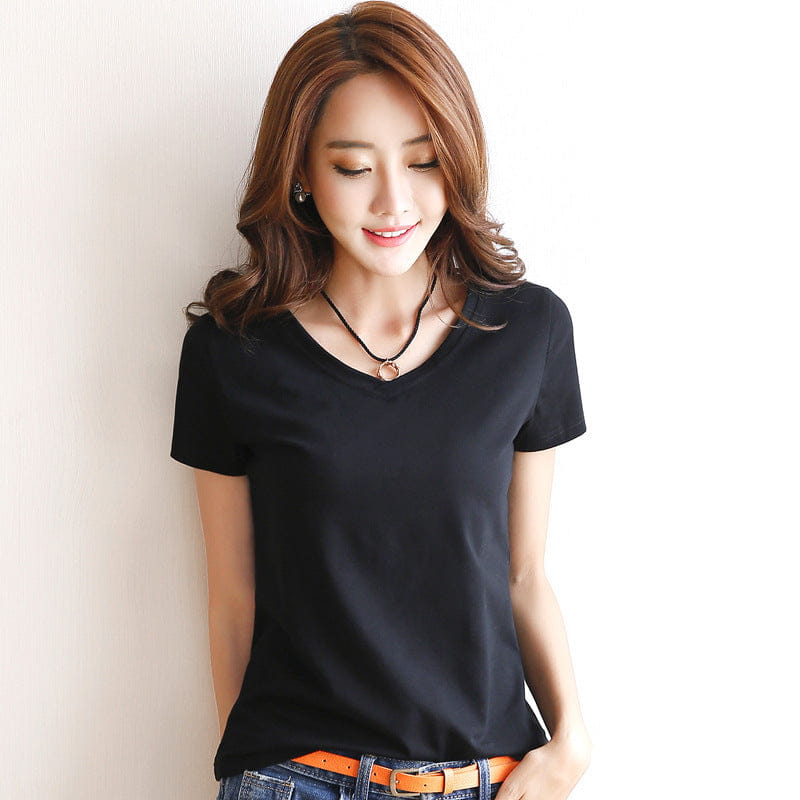
Minimalist V-Neck Cotton Tee
A clean, soft base layer that makes cute accessories feel intentional, not chaotic. Perfect for building outfits that can swing pastel or neutral.
Everyday Base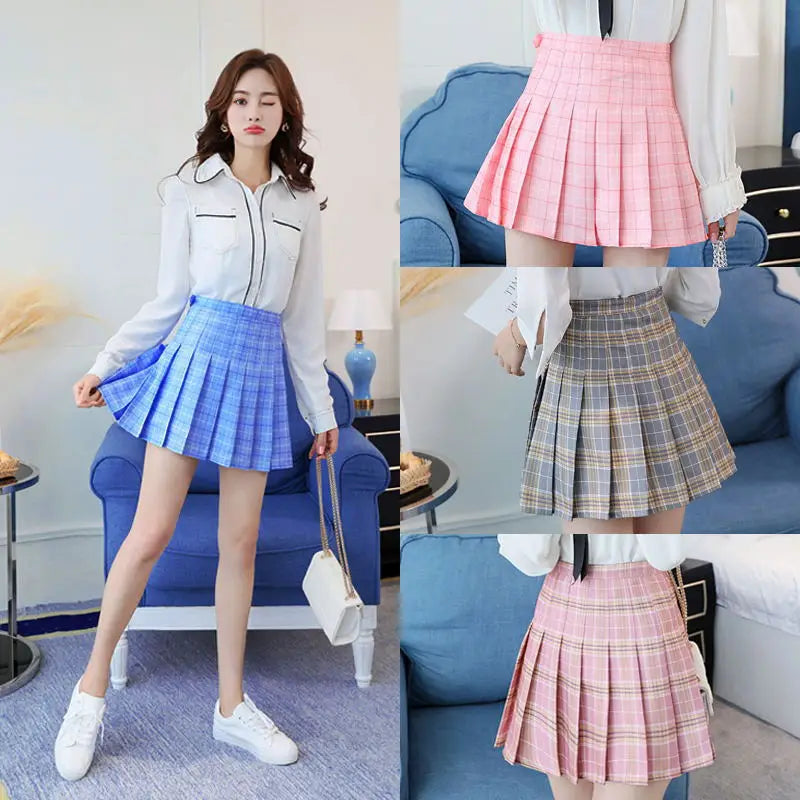
Pastel Plaid Pleated Mini Skirt
Instant schoolcore energy with a soft pastel twist. Pair it with a tee for casual cute, or add a cardigan for a sweeter look.
Preppy Starter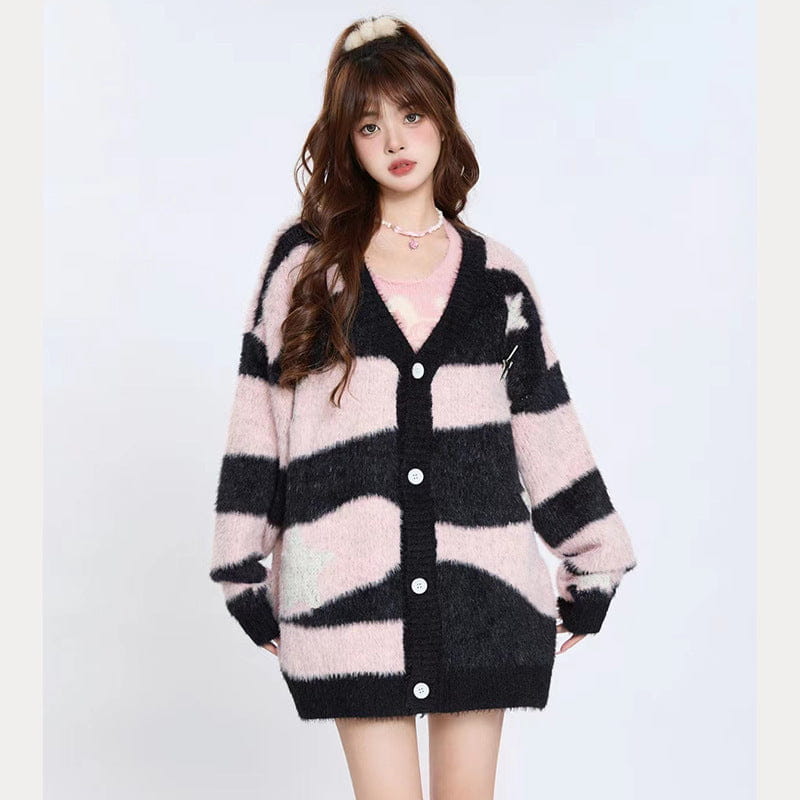
Fuzzy Striped Knit Cardigan Sweater
Soft texture makes any outfit feel more kawaii on contact. This is the kind of layer that works for Soft Girl, cozy preppy, and plushcore-leaning fits.
Cozy Layer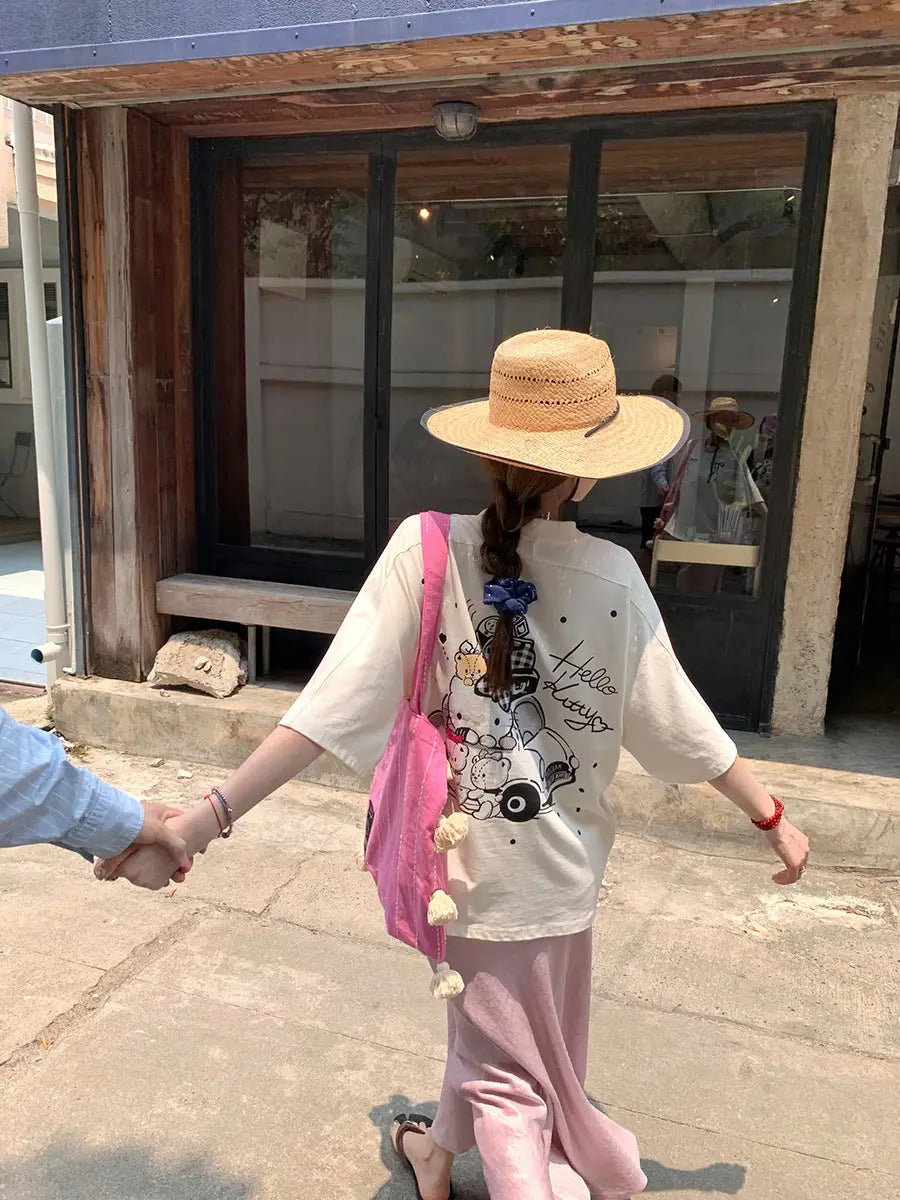
Ribbon Print Oversized Tee
Relaxed and cute in the easiest way. The ribbon detail gives you that sweet aesthetic without needing a full “costume” moment.
Casual Cute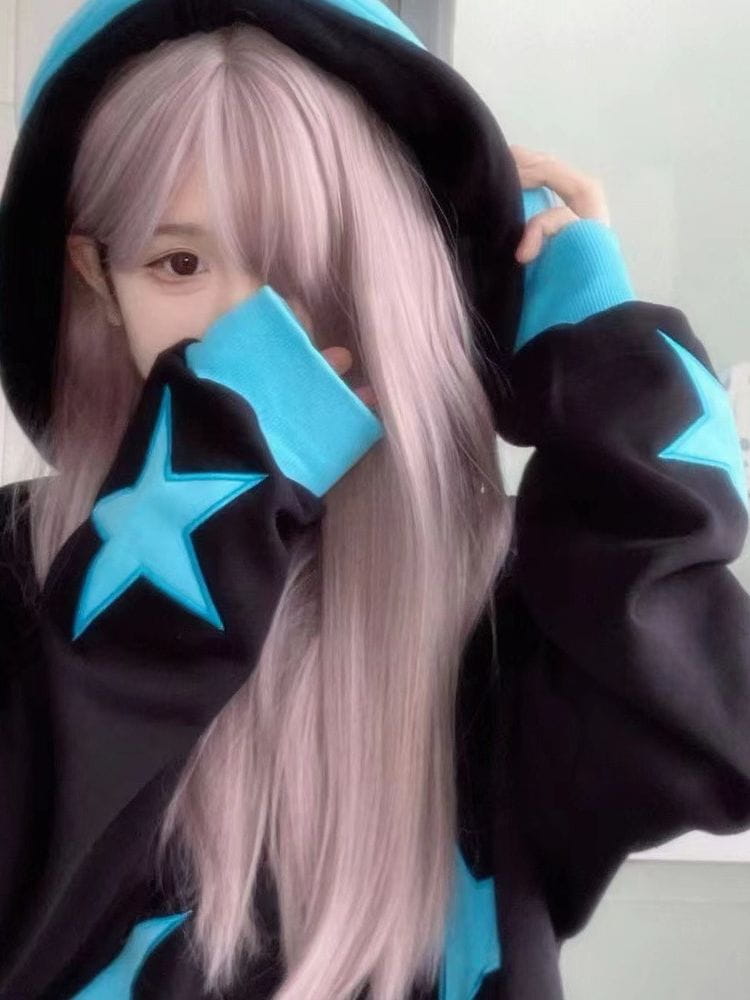
Star Patch Oversized Kawaii Hoodie
A comfy statement that still feels playful. Great for plushcore styling or casual Harajuku fits with layered accessories.
Plush Vibes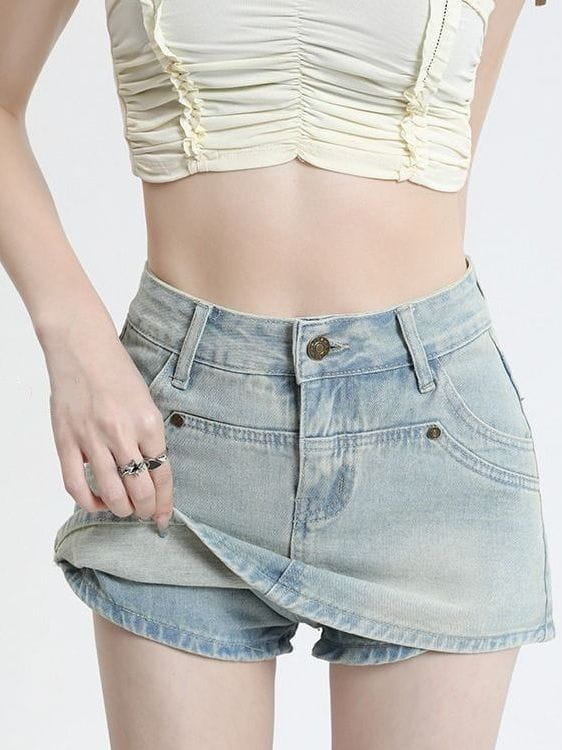
High-Waisted Denim Overlap Skort
If you like cute outfits that still feel practical, this is your hero piece. It bridges kawaii and street style with almost zero effort.
Street Sweet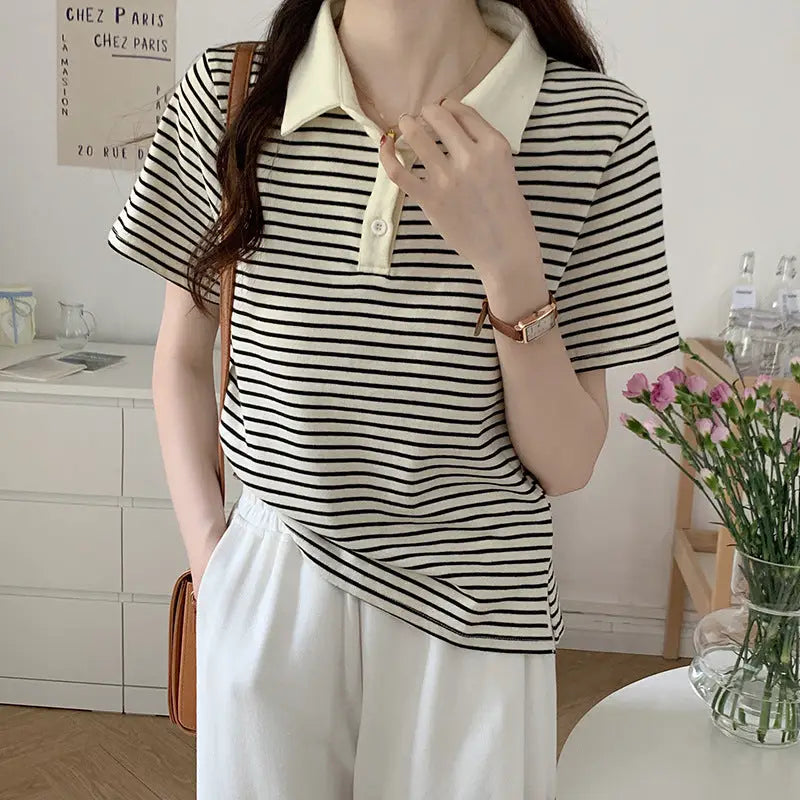
Paris Stripe Polo Tee Cafe Cozy Edition
Preppy-cute energy with a soft, everyday feel. This is perfect for schoolcore looks and “cute but not too loud” outfits.
Cafe Preppy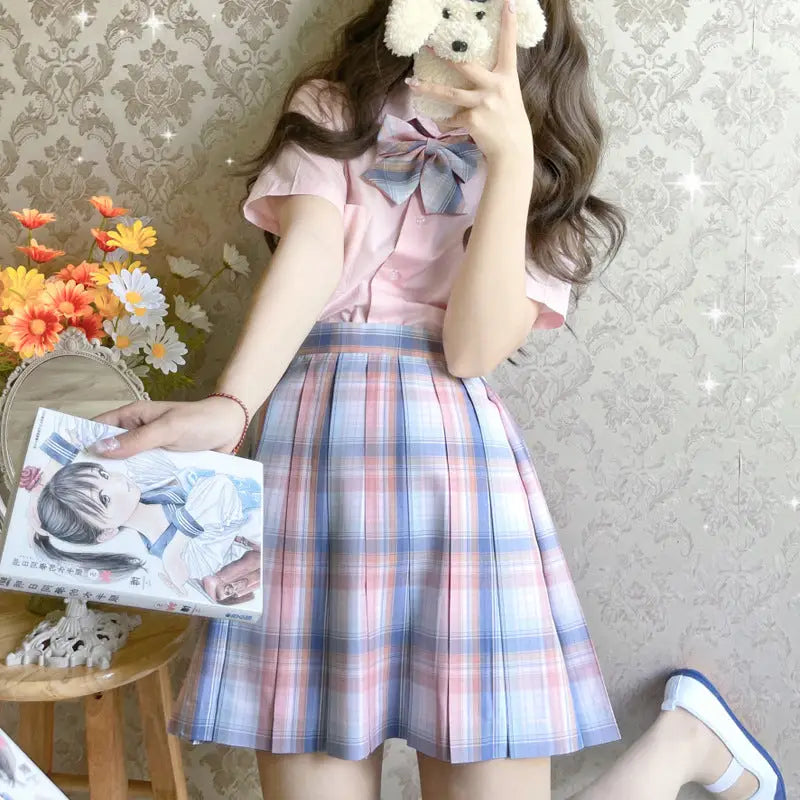
Pastel Plaid JK Skirt with Bow Tie Accent
A classic silhouette with a sweet bow detail that reads kawaii instantly. Style it with a tee for casual cute or add soft layers for a gentler vibe.
Campus KawaiiExplore more building blocks: Search softcore.
If you made it this far, you officially understand the language of cute fashion. Save this glossary, share it with your group chat, and let your style evolve as your mood changes. Kawaii is meant to be lived in.
Explore Kawaii Fashion Explore Soft Girl Explore Harajuku


